
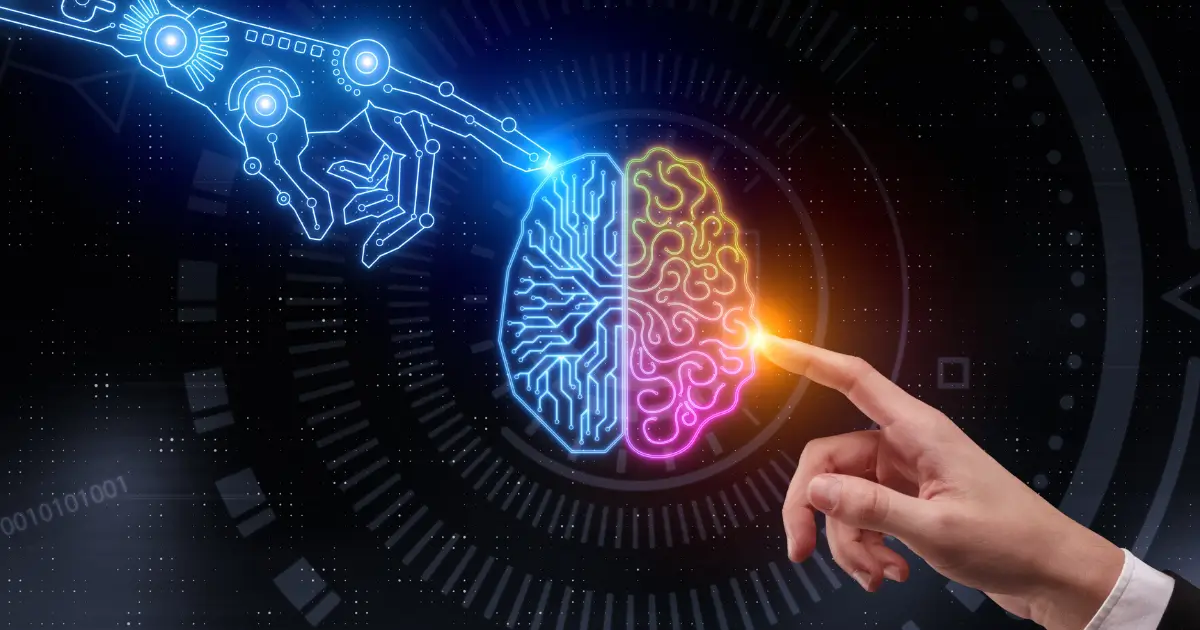
Future of AI promises a revolutionary transformation across every facet of our lives. From enhancing everyday conveniences to solving complex global challenges, AI is poised to redefine how we live, work, and interact with technology. This article dives deep into what the Future of AI holds, exploring emerging trends, challenges, and opportunities that will shape the decades ahead.
Future of AI: Shaping Tomorrow’s World Today
Future of AI: Key Trends Driving Innovation
The Future of AI is fueled by breakthroughs in machine learning, natural language processing, and autonomous systems. One of the most significant trends is the evolution of AI models capable of understanding context and emotions, which will enhance human-computer interaction dramatically. Additionally, AI-powered automation will continue to disrupt industries by optimizing workflows and reducing operational costs.
Another critical trend in the Future of AI is the integration of AI with other cutting-edge technologies such as quantum computing and 5G networks. This synergy will accelerate data processing speeds and enable AI applications to operate with unprecedented efficiency and scale.

Future of AI: Impact on Industries and Society
The Future of AI is set to transform industries like healthcare, finance, manufacturing, and transportation. In healthcare, AI will enable personalized medicine through precise diagnostics and treatment plans tailored to individual genetic profiles. Financial sectors will benefit from AI-driven fraud detection and automated investment strategies, ensuring safer and smarter financial management.
Societally, the Future of AI raises essential questions about ethics, privacy, and job displacement. Responsible AI development will require transparent frameworks to safeguard user data and ensure equitable access. Preparing the workforce for AI integration through education and re-skilling will be vital to mitigate the impact of automation on employment.

Future of AI: Challenges That Must Be Overcome
While the Future of AI shines with promise, it also faces significant hurdles. One major challenge is the risk of bias embedded in AI algorithms, which can perpetuate social inequalities if unchecked. Furthermore, the Future of AI will demand robust cybersecurity measures to protect AI systems from malicious attacks.
Regulatory environments must evolve to keep pace with AI innovations. Striking a balance between fostering innovation and ensuring public safety will be crucial. Additionally, transparency in AI decision-making processes will become a priority to build trust among users and stakeholders.

Future of AI: Opportunities for Businesses and Innovators
The Future of AI opens vast opportunities for businesses willing to embrace innovation. Companies can harness AI to unlock customer insights, personalize experiences, and optimize supply chains. Startups focusing on niche AI applications will find fertile ground for growth as demand expands.
Innovators in the Future of AI will also drive breakthroughs in AI ethics, creating tools to audit algorithms and promote fairness. Collaboration between academia, industry, and governments will accelerate the development of AI solutions that are safe, inclusive, and beneficial to all.
Future of AI: How to Prepare and Stay Ahead
Staying ahead in the Future of AI landscape means continuous learning and agility. Organizations should invest in AI literacy programs and foster a culture that embraces experimentation. Building interdisciplinary teams that combine technical expertise with ethical and social insights will give a competitive edge.
Individuals can prepare for the Future of AI by developing skills in data analysis, programming, and critical thinking. Embracing lifelong learning will be essential to adapt as AI reshapes job markets and daily life.
this content is created by estpostingmonster.com