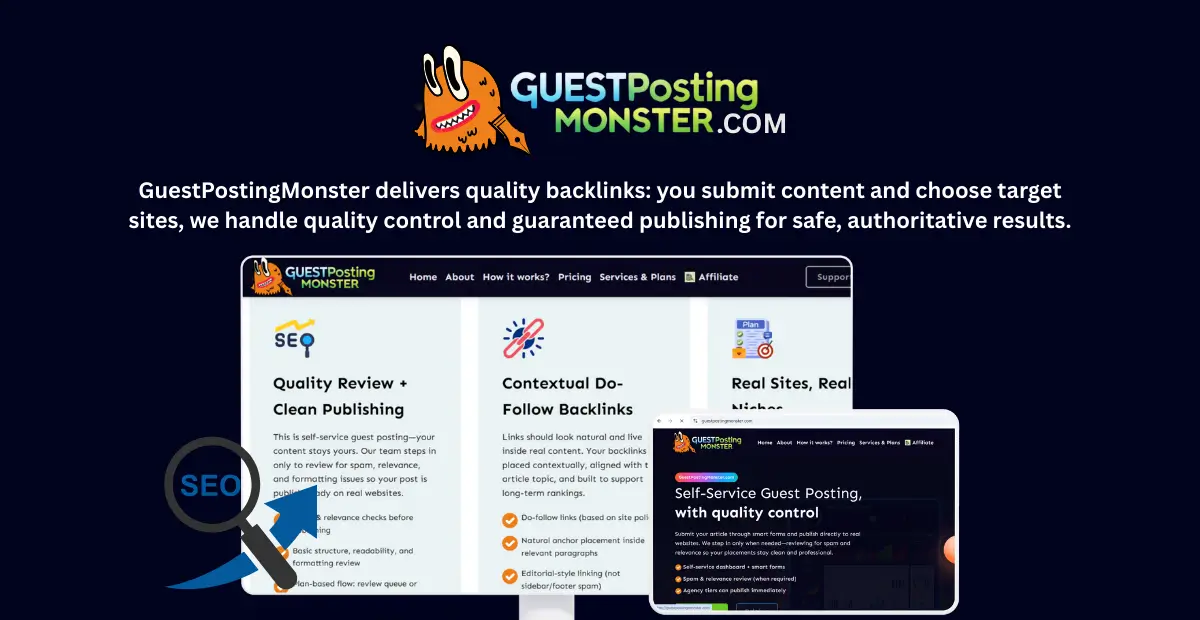
GuestPostingMonster wasn’t a tool I discovered; it was a strategy I built out of sheer necessity. As the lone marketer for a fledgling startup, my calendar was filled with innovation, but our backlink profile was a glaring zero. This is the story of how I moved past the fear of outreach, systematized the art of the guest post, and transformed that empty spreadsheet into a portfolio of fifty live links that drove real traffic and undeniable authority.
From Zero to 50 Backlinks: How I Built Authority with a GuestPostingMonster Strategy
Let me tell you a story about pressure, panic, and a pivotal shift in strategy. As a startup marketer staring at a barren backlink profile, the dream of earning organic traction felt like a mirage. Like many, I dismissed systematic outreach as spammy or out of reach—until I built a disciplined, value-first GuestPostingMonster strategy that transformed our site’s authority, moving us from zero to fifty quality backlinks in a focused campaign. This isn’t a tale of magic tools, but of embracing guest blogging as a scalable, relationship-driven engine for growth, where every published piece was a strategic brick in our SEO foundation.
The Stark Reality of Startup SEO: Why Backlinks Aren’t Optional
When you’re launching a startup, the SEO landscape is brutally unfair. You create excellent content, optimize your pages, and hear crickets. The reason is simple: you have no authority in Google’s eyes. In the early days, our blog posts—no matter how well-researched—languished on page 8. We were a digital ghost town. The emotional toll was real; it felt like shouting into a void after months of hard work. This isn’t just about rankings; it’s about survival. Backlinks are the web’s currency of trust.
Each quality link is a vote of confidence from another site, signaling to search engines that your content is credible and worthy of attention. For a startup, building this trust from scratch is the most significant marketing hurdle. It’s the difference between being found and being forgotten.
Demystifying the GuestPostingMonster Framework: Beyond Spray-and-Pray
The term “monster” here isn’t about brute force; it’s about building a systematic, scalable, and intelligent process that feels massive in its results. This framework rejects the outdated notion of blasting thousands of templated emails. Instead, it’s a methodology built on precision, value exchange, and consistency. It turns guest posting from a sporadic task into a repeatable growth engine.
The Core Pillar: Strategic Relevance Over Domain Authority
Chasing only high-Domain Authority (DA) sites is a classic rookie mistake. Our first win came from a niche industry blog with a DA of just 32. But its audience was our exact target persona—CTOs at mid-sized tech firms. The traffic from that post was highly engaged, and the link carried immense thematic weight. Google’s algorithms have grown sophisticated; a link from a highly relevant, topical site within your industry cluster often passes more “link equity” and relevance than a generic link from a high-DA unrelated site. Your target list should be curated based on audience alignment, content quality, and engagement metrics, not just an arbitrary DA score.
The Value-First Proposition: What You Offer Before You Ask
The pivotal shift in our outreach was leading with value, not a request. We stopped saying, “Can I write for you?” and started sharing. Before any pitch, we’d engage with the target blog’s content—thoughtful comments, social shares, and even emailing them a piece of our content that genuinely complemented their work. The initial outreach then became about them.
For example, we’d say, “Loved your article on X. It inspired us to dig deeper into Y, and we noticed your readers were asking about Z in the comments. I’ve sketched a follow-up angle that addresses that gap—would a draft on this be useful for your editorial calendar?” This frames you as a collaborator, not a petitioner.
Executing the Campaign: A Step-by-Step Blueprint for 50 Links
This is where theory meets action. Here’s the exact process we systematized.
Phase 1: Intelligence Gathering (Weeks 1-2)
We built a master spreadsheet. Using a combination of search operators (intitle:"write for us" + [your industry], "guest post by" + [competitor name]), competitor backlink analysis (via tools like Ahrefs or SEMrush), and manual discovery in our industry communities, we identified 150 potential targets. Each entry was researched for:editorial guidelines, typical content style, average reader comments per post, and the name of the editor. This stage is tedious but non-negotiable.
Phase 2: The Hyper-Personalized Outreach Sequence (Ongoing)
We crafted a three-email sequence with a 5-day gap.
Email 1: A warm, specific compliment with a single, tightly defined topic idea.
Email 2: A gentle nudge, offering an additional piece of research or data point related to the idea.
Email 3: A final, polite closure, leaving the door open for future collaboration.
Our subject lines avoided “Guest post inquiry” and used hooks like “An idea for your next piece on [their blog’s specific series]” or “Following up on [their recent post title].” Personalization was at least 2-3 specific sentences unique to each recipient.
Phase 3: Content Creation That Excels (The Make-or-Break)
Upon acceptance, we treated the guest article as a flagship piece. We followed guidelines to the letter, embedded our one allowed contextual link naturally (never in the bio alone), and provided original data, sketches, or templates. The goal was to create the best-performing piece on their site that month, ensuring the editor would welcome us back.
Phase 4: Amplification and Relationship Nurturing
Upon publication, we became the primary promoter. We shared it across all our channels, tagged the publication and editor, responded to every comment on the article, and even ran a small social ad boost for a key piece. This delighted editors, often leading to invitations for more contributions—the holy grail of scalable link building.
The Pitfalls That Derail Most Guest Posting Campaigns
-
Mistake 1: The Template Blindness. Sending the same pitch to 100 editors. Experienced editors spot this instantly and delete it. It damages your sender reputation and brand.
-
Mistake 2: Prioritizing Quantity of Links Over Quality of Placements. Getting 10 links from irrelevant, low-quality “guest post farms” does more harm than good. Google’s algorithms can devalue or penalize such patterns, as they signal manipulative link schemes.
-
Mistake 3: Neglecting the On-Site Experience. You earn the link on Publisher A’s site, but your own linked page is thin, slow, or off-topic. This squanders the referral traffic and dilutes the SEO value. Ensure any linked page is your best work.
-
Mistake 4: The Hit-and-Run. Publishing and disappearing. Failing to engage with comments or promote the piece burns bridges. It tells the editor you cared only about the link, not their audience.
Real Campaigns: How the Strategy Played Out
Example 1: The Niche SaaS Tool
Our startup was in the HR tech space. Instead of targeting massive marketing blogs, we identified mid-tier blogs for HR managers, talent acquisition specialists, and people ops leaders. One target was a community-run blog with a strong, engaged newsletter. We pitched a data-driven piece on “Remote Onboarding Metrics That Actually Matter,” using proprietary data from our own platform (anonymized). The post was a hit, driving 80 qualified sign-ups to our free tool and earning a powerful, relevant link. That single piece led to two more invites from connected publications in the same niche.
Example 2: Repurposing for Maximum Yield
For a high-authority industry publication (DA 65+), we knew competition was fierce. We repurposed a foundational, long-form guide from our site into a unique, opinion-led “viewpoint” article tailored to their editorial style. We didn’t just recycle; we reframed our expertise for their audience. This not only secured the link but positioned our founder as a thought leader, leading to podcast interview requests—which themselves became additional backlink opportunities.
The Future of Strategic Guest Posting: Integration and Intelligence
The future of this strategy is not in more emails, but in smarter integration. Google’s emphasis on E-E-A-T (Experience, Expertise, Authoritativeness, Trustworthiness) means the author’s profile behind the guest post is critical. Expect a rise in bylined articles from verified industry experts, with links to their professional profiles. Furthermore, successful guest posting will be part of a larger digital PR and content collaboration ecosystem. Think co-hosted webinars with the publication, original research partnerships, and contributor columns rather than one-off posts. AI will assist in research and personalization at scale, but the human element—the genuine insight and relationship—will become even more valuable as differentiators.
Your Journey from Zero Begins with a Single Pitch
The path from zero to fifty backlinks wasn’t linear, but it was deliberate. It required ditching short-term tactics for a long-term relationship strategy. The GuestPostingMonster approach isn’t about being the loudest voice; it’s about becoming the most helpful voice in the rooms that matter to your audience. Start not with a list of sites you want links from, but a list of communities you want to serve.
Build your list with precision, lead with undeniable value, and create content that makes editors grateful they found you. Those fifty links are more than SEO metrics; they are fifty partnerships, fifty new audiences introduced to your brand, and fifty steps out of the startup obscurity trap. Your first pitch is waiting to be written—make it about them, and the links will follow.